


 Kevin Richtik, Caroline Photography
Empty Nest, New Semester: What to Do With the Room They Left Behind
Every August, there is a familiar ritual playing out across the country. Cars are packed. Dorm rooms are assembled. Family photos are taken. Parents offer advice their children may or may not remember. Then everyone comes home. Well, almost everyone.
For many parents, the back-to-school season brings a milestone that doesn’t get nearly as much attention as college move-in day. They return to a house that suddenly feels different. A little quieter. A little emptier. And often, there’s a bedroom sitting down the hall that raises an unexpected question: Now what?
As an interior designer, I’ve learned that this moment is rarely about the room itself. It’s about what the room represents.
When the House No Longer Matches Your Life
When children leave home, the routines change almost overnight. The schedules that once revolved around school calendars, sports practices and family dinners begin to shift. Yet many homes continue functioning as though nothing has changed.
The empty bedroom becomes a visible reminder that life has entered a new chapter.
That’s why I encourage homeowners to resist the urge to make immediate decisions. The goal isn’t to erase the past. It’s to thoughtfully consider what this next season of life actually requires. A room can honor where you’ve been while supporting where you’re going.
Design for the Life You Live Most
I often remind clients not to design their homes around the people who visit three to five days a year. Design for the other 360.
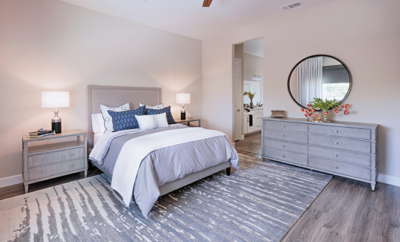
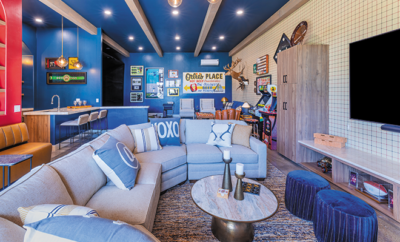
A current project is a perfect example. My client is turning her two sons’ former bedrooms into guest rooms. One son is married with a new baby, and the youngest is away at college. She is also reworking the kids’ old game and TV room into a more intentional exercise and yoga space. The equipment was already there, but now the room will have better furniture, functional storage for weights, mats and small equipment, and a design direction that supports how she actually wants to live.
When the kids came home for a visit recently, they protested the loss of the giant, worn-out sectional. “But Mom, where are we going to sit when we come visit?” It’s a fair question. Also, a very familiar one. So, we talked about how often they would realistically be home. The answer was likely holidays.
That is the moment homeowners have to be honest with themselves. If the house is mostly lived in by one or two people now, it should not remain arranged around the version of family life that existed ten years ago. Visiting children and grandchildren should feel welcome, of course. But welcome does not have to mean the entire house stays frozen around their occasional visits.
The goal is not to make the home less family oriented. It is to let the home grow up with the family. Many people assume an empty bedroom automatically becomes a guest room. Sometimes that’s the right answer. Often, it isn’t.
Instead of asking, “What should this room be?” try asking a different question: “What is missing from my life right now?”
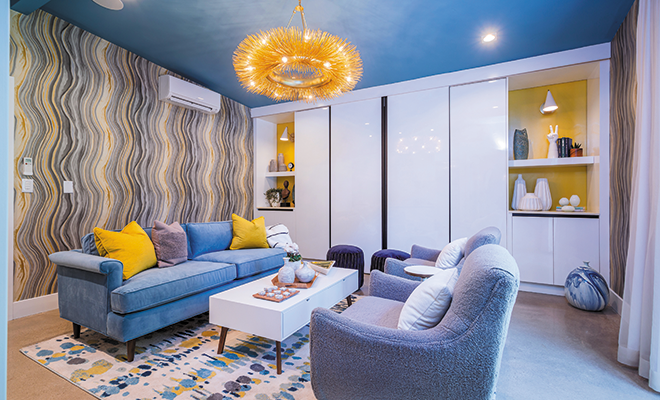
For some homeowners, the answer is a dedicated home office. For others, it’s a reading room, art studio, exercise space, sewing room, music room or a quiet place to practice yoga. I’ve worked with clients who finally created a space for painting after decades of putting everyone else’s needs first. Others transformed former bedrooms into welcoming guest suites for visiting children and grandchildren without preserving every detail exactly as it was. The most successful spaces reflect how life is being lived today, not how it was lived ten years ago.
Permission to Live Differently
This is often the hardest part. Many parents feel guilty changing a room that once belonged to their child. They worry they’re erasing memories or sending the wrong message. In reality, most adult children don’t expect their bedroom to remain frozen in time. They’re busy building lives of their own. Meanwhile, parents deserve a home that supports their lives, too.
One of the most rewarding parts of my work is helping clients realize they have permission to make different choices. Permission to rearrange furniture. Permission to repurpose rooms. Permission to stop designing around a version of life that no longer exists. A home should evolve as the people living in it evolve.
Keep the Memories, Not the Museum
Repurposing a room doesn’t mean every memory has to disappear. A favorite photograph can be framed. Meaningful keepsakes can be displayed. Special items can be preserved with intention. But a room filled with untouched boxes and furniture that no longer serves a purpose isn’t preserving memories. It’s simply postponing decisions.
The same principle applies to design. The most meaningful homes aren’t the ones that keep everything. They’re the ones that keep the right things.
A New Chapter Deserves a Place to Land
Back-to-school season has always been associated with fresh notebooks, new schedules and new opportunities. We tend to think of those things as belonging to our children, but they’re available to us as well.
The empty nest years often create space for new interests, new routines, new relationships and new possibilities. Home should reflect those changes. The room down the hall doesn’t need to become something dramatic overnight. But it may be ready to become something different.
Sometimes the first step in embracing a new chapter is simply giving yourself permission to redesign the space where it will unfold.

Kathleen Jennison is the owner and principal designer of KTJ Design Co., a full-service interior design firm specializing in helping clients create homes that support life’s next chapter.
404 N. Harrison | Stockton, CA 95203 209.915.0442 | kathleen@kathleenjennison.com