


Tea, Intentionally… The Redwood Tea Estate
In a world where automation and efficiency dictate our decisions, it can be hard to slow down or take time for ourselves. The pace of modern life leaves little time for leisure. But there are some who are re-examining their priorities, instead choosing quality over quantity and intentionality over ease. The statistics on growing interest in organic and local sourcing shows this is not a niche desire; all of us are looking for a way to create havens of peace in the midst of the chaos of life. Patrick Sunbury’s passion is creating these havens of peace and sharing them with those around him through a beverage that spans centuries and cultures: tea.
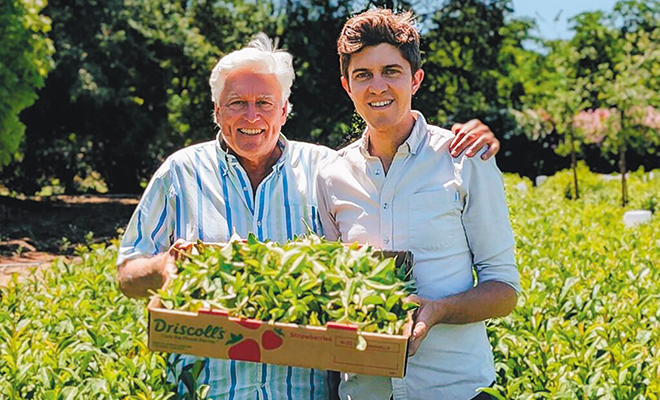
Patrick, the co-founder of the Redwood Tea Estate, has been a life-long lover of both tea and the outdoors. “I always had a love of plants,” Patrick said. “I always loved being outside and being in nature.” As a fifth-generation Californian, he especially loved visiting his grandparents’ farm in the Central Valley. A landscape architect with degrees from both UC Berkeley and Harvard University, Patrick had built a successful career designing masterplan communities and other projects with similar goals, creating outdoor spaces where people could flourish. However, the long hours in front of screens triggered a neurological disease, trigeminal neuralgia, which causes bouts of intense pain that radiate throughout the face. He began shifting his work off of the screen to manage his chronic pain condition, and his father offered him use of the free half-acre on their family land if he wanted it. Slowly, an idea began to bud – what about a tea farm? And from that bud, the Redwood Tea Estate bloomed.
Patrick soon found himself a pioneer through uncharted territory. “There’s no guidance on which cultivars to plant, how to arrange them,” he said. “There’s no guidelines on how things should be.” There are very few tea farms in the United States and only a few remaining nurseries in the nation that sell tea plants. “We mostly have heirloom cultivars,” Patrick said. “A lot of the cultivars we have here came in the 19th century or the early 20th century.” After trial and error, he found a cultivar that took to California’s climate, and from there the tea farm grew along with its ecosystem, lovingly and carefully crafted by Patrick’s research and expertise. The plants were closely spaced to inhibit weed growth, just wide enough to walk through. Native valley oak trees and yarrow provided shade and mulch, and attracted beneficial birds and insects. And each time the leaves are ready for harvest, called a flush, they are picked by hand and prepared for processing.
A single plant produces the teas we know, black, green, oolong, and white; the difference is in how the leaf is processed. “Tea has very elaborate processing techniques,” Patrick said, and most of the preparation methods available to him are from the same time period as the cultivars. Some leaves he simply dries to create white tea that lets that season’s uniqueness shine. Some he pan-fires, tumbles, rolls, oxidizes or roasts, each method tailored to bring out different notes in the tea itself. Members of the Redwood Tea Estate’s tea club get quarterly shipments of their premium tea, each highlighting that season’s distinctive flavors and notes. The entire process is the definition of artisanal, the techniques rustic and rarely used or discarded in the name of efficiency. But the tea he creates speaks for itself, as luxurious as silk and now as accessible as other local organic produce.
Why should our standards for tea be any different than our meat, produce or even our coffee and wine? Most tea available to us in the United States is shipped from across the world, low-grade and bagged and shelved for months, if not years, before it reaches our kettles. There is little to no information on the growing process of the powdered leaves within their sachets, no indication of what pesticides might have been used in the growing process, or the quality of the tea leaves themselves.
In contrast, the tea produced at Redwood Tea Estate is carefully farmed and prepared through artisanal methods, no pesticides, herbicides or fungicides ever used. The leaves can be reused up to three times, often making the price per cup equal to or even less expensive than the low-grade offerings in our stores. And the estate’s slow, intentional approach to tea cultivation invites us to examine how we cultivate our own lives. Do we want to rush from one thing to the next, treating food as fuel and disregarding its sources? Or do we want to live with intentionality, approaching food as connection to the land that nourishes us, and demanding products that are worth their cost, not just for our wallets, but also for our health?
To learn more, visit redwoodteaestate.com.