

Decorating Using Nature as Inspiration
Every home can benefit from bringing the beauty of nature indoors. Whether your personal style is modern, traditional, country, minimalist or eclectic, there are many ways to incorporate natural elements into your home decor without compromising your style.
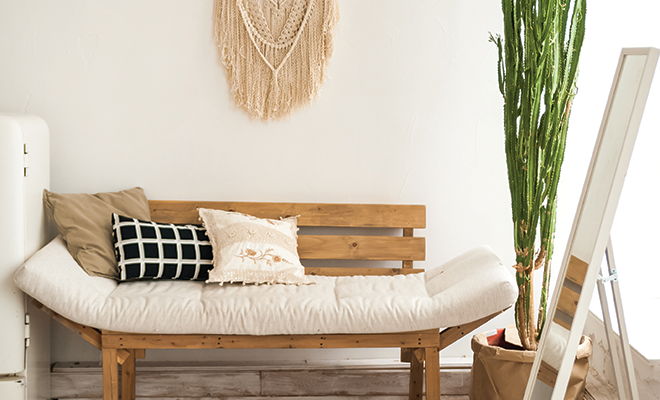
The most basic way to create a nature-inspired home design is by choosing natural materials, such as furniture made from wood or rattan and upholstered with linen, cotton or leather. If you like a rustic feel, try wooden pieces that look weatherworn. Shop for natural floor coverings made from wool, sisal or seagrass. Hardwood or cork flooring will also give your home a natural feel.
When it comes to the color scheme for your home, let Mother Nature be your guide. Look to the natural landscapes that you’re most drawn to for inspiration. If you love mountains and forests, use brown and green tones. If you’re happiest near the water, choose blues and neutrals that remind you of your favorite lake or beach. A color scheme that includes white, black and gray can be used to evoke a snowy winter scheme; think Pantone’s 2026 color of the year, Cloud Dancer. If you like bright colors, use a flower garden as inspiration. Besides using natural color schemes when painting walls, you may want to consider wall treatments that feature trees, plants or flowers. If wallpaper is too permanent or not to your taste, try removable wall decals.
Maximizing natural light is another way to bring nature into your home. Sunlight can enhance the look of natural decor and brighten your mood. Using natural light can also save money on utilities. Window coverings such as blinds made from natural materials such as wood or bamboo allow you to control the amount of light that enters your home. If you prefer drapes, choose sheers in natural fibers that allow some light to come through even when closed. Installing skylights in rooms that receive the most sunlight is another way to bring in more natural light. Also, be sure to trim back outdoor landscaping that may be blocking your windows and keeping out sunlight.
Incorporating found items as accessories is a personal way to create a natural feel. You can display single items, such as placing an interesting piece of driftwood on a shelf or mounting a tree branch with unusual bark on the wall, or you can showcase small collections, such as groupings of river rock or seashells. A collection of living plants or terrariums is another way to bring the outdoors in. The great thing about natural accessories is that you can change the look of a room as the seasons change by switching out your display items. If your style is more minimalist and collections aren’t your thing, you can add a natural motif with floral and animal prints for upholstery and pillows. For artwork, choose botanical prints or photos that depict natural beauty.
Demonstrate your love of nature by creating a home that’s eco-friendly s well as inspired by nature. Shop or furniture made from sustainable, non-toxic materials. For example, furniture constructed from wood certified by the Forest Stewardship Council is guaranteed to have been produced in an environmentally friendly manner. Bamboo is another eco-friendly and sustainable choice for wooden furniture. It is one of the greenest substitutes for hardwood because it gros very quickly and can be harvested annually without destroying old-growth forests. Bamboo is as strong as many hardwoods and can be used with non-toxic adhesives in furniture construction.
Furniture made from recycled and repurposed composite materials is another eco-friendly choice. Eco composites are created from scrap, salvaged wood and other recycled materials. Kirei Board, manufactured from reclaimed sorghum straw, is an example of a beautiful, eco-friendly substitute for wood. Recycled plastic and wood are also used to create materials for green furniture. When shopping for furniture made from composites, avoid pieces that contain formaldehyde. Emissions from formaldehyde can cause a variety of health problems for sensitive individuals.
When it comes to eco-friendly fabrics for your home, look for organic fabrics to avoid the risk of pesticide residue. All treatments and finished that are applied to furniture fabrics should be non-toxic; flame retardants in particular should be avoided due to the toxic dust that they emit. Paints and stains used on sustainable furniture should have low VOC emissions. These products release fewer volatile organic compounds, which means less air pollution in the home and an overall healthier living environment.
The natural world relaxes, refreshes and nourishes the soul. By incorporating elements from environments that most inspire you when decorating and furnishing your home, you can create a personal interior environment that mimics the soothing qualities of the outdoors.
Sources: gtv.com, bhg.com and sierraclubgreenhome.com.